1. Start with your sales channel, not with a product photo
The right import plan depends on where the goods will be sold. A luggage shop needs a coherent range of cabin cases, sets, locks and covers. An online seller may need fewer models, stronger carton data and clear listing information. A hotel or tour operator may need amenity kits, sleep sets or branded travel wallets packed for distribution.
Before you ask for prices, write down your channel, countries of sale, target retail price, expected order size and delivery window. This stops you comparing products that look similar but are not commercially comparable.
- Shops and chains: breadth, colour options, replacement stock and POS-friendly packaging.
- Online sellers: cartons, weights, barcode data, photos, claims and return risk.
- Brands: logo position, materials, moulds, packaging, EAN and multilingual labels.
- Promo and corporate gifting: event date, branding method, gift box, carton labelling and delivery split.
- Hotels, airlines and tour operators: kit contents, unit packing, room or seat distribution and reorder plan.
If you are searching for how to import luggage, begin with the business case rather than the catalogue. The cheapest suitcase, tag or adapter is not always the lowest delivered cost once freight, duty, documents and handling are included.
2. Build a range that fits European demand
Luggage and travel accessories are seasonal. Consumer peaks are around Easter, May to August, October half-term and December gifting. Chains often plan the following summer range in September to November and confirm in January or February, with goods landing in March or April. Independent shops and online sellers usually reorder from February to June.
For factory-direct imports, decide whether you need a broad wholesale mix or a focused private-label range. VoyagiQ covers 440+ catalogue products across suitcases, travel bags, backpacks, neck pillows, sleep kits, packing organisers, toiletry bags, luggage tags, locks, covers, vacuum bags, passport wallets, travel tech, garment bags and travel essentials. You can start from the VoyagiQ wholesale catalogue and then adapt materials, colours, logo and packaging where the model allows it.
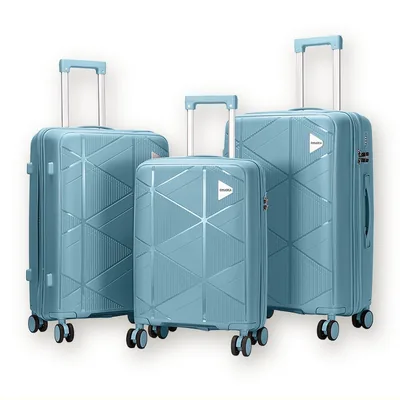
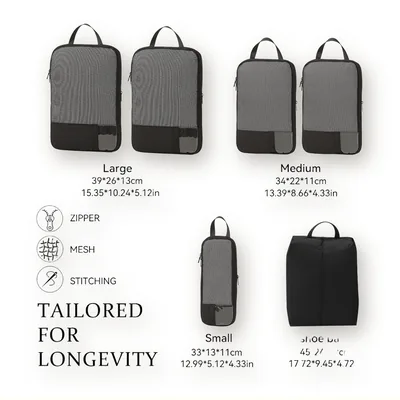
For luggage wholesale Europe buyers, a useful starter range usually combines a main product with small margin builders. For example, a cabin suitcase range can be paired with luggage tags, TSA-style combination locks where licensed, covers, straps and packing cubes. A travel backpack range can be paired with cable organisers, passport wallets, neck pillows and toiletry bags.
3. Decide whether to buy catalogue, private label or custom sourcing
There are three common routes. Catalogue buying is quickest because the product platform already exists. Private label adds your brand, packaging and labels to an existing factory model. Custom sourcing is used when your product is not in the catalogue or when you need a specific construction, material, kit or price point.
| Route | Typical use | What to check |
|---|---|---|
| Catalogue wholesale | Shops, online sellers, distributors and quick range tests | MOQ on the product page, carton data, colour availability and indicative net from price |
| Private label | Brands, retail chains, promo agencies and repeat sellers | Logo method, packaging, EAN, multilingual labels, artwork approval and 300 per model |
| Custom sourcing | Unique kits, unusual materials, target-price products and tenders | Specification, sample approval, compliance documents and inspection criteria |
Private label is not only about a logo. For a retailer, it can mean a barcode, product name, country-language warnings and carton marks. For a brand, it can include swing tags, inner bags, insert cards and matching colours across several categories. Our private-label service explains the options for logo, packaging, EAN and multilingual labels.
4. Write a specification that suppliers can quote correctly
A vague request produces vague pricing. A useful specification makes every factory quote the same product. For suitcases, include shell material such as PC, PP, ABS or aluminium, size, wheel type, handle type, lining, lock type, logo position, colour, inner organisation and packaging. For bags and backpacks, include fabric, lining, zips, laptop compartment size, strap details and any USB pass-through cable.
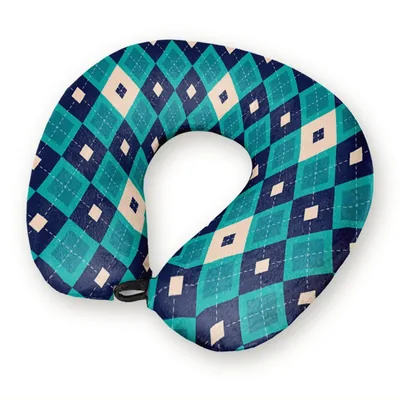
For accessories, small details matter. A luggage tag can be soft PVC, silicone, PU leather, metal or MDF sublimation blank. A neck pillow can be memory foam, inflatable or hooded. A travel adapter with USB-C is a different compliance case from a plain plug adapter. A power bank needs capacity, chemistry, ports, wireless or Bluetooth functions and transport documents.
Ask for the unit price, MOQ, production time, carton quantity, carton dimensions, gross weight, packaging method, available documents and sample cost. If you want to import travel accessories as a mixed order, carton data is important because low-value bulky products can carry more freight cost than expected.
5. Calculate delivered cost before you approve the order
Factory price is only one line in the margin calculation. You need the product price, inland handling where relevant, freight, insurance if used, customs duty, customs clearance, import VAT, quality control, labelling, packaging EPR and delivery to your warehouse or stores.
Duty depends on the tariff code of each product. Suitcases, textile bags, leather goods, plastic accessories, electrical adapters and batteries do not share one rate. If a set contains several product types, classification may need closer review. Import VAT is normally paid at import unless a national accounting procedure applies.
Payment is usually a deposit of 30–50 %, with the balance before shipment. Deferred terms are normally only for repeat clients with an agreed credit limit. Samples are credited against the order where agreed. For a written offer from VoyagiQ, send the product list, branding needs, country of sale and delivery address; we normally prepare the quote in 2 working days.
6. Order samples and approve a reference
Never approve mass production from photos alone. Samples show the real material, zip feel, print position, colour, stitching, wheel movement, lock function, packaging and carton strength. For travel tech, they also confirm the visible markings, user instructions and capacity information.
Use the sample as a buyer would. Pack the suitcase, roll it, test the telescopic handle, open and close the lock, check lining seams and inspect the wheels. Fill toiletry bottles with water, close vacuum bags, fit passport wallets around common document sizes and check whether a neck pillow returns to shape. Samples usually take 7–14. Keep one approved sample as the production reference.
If the product carries your brand, approve artwork before production starts. Check spelling, language versions, barcode, batch or type reference, importer details, warnings and online listing text. Changes after production are much slower than changes at artwork stage.
7. Confirm EU compliance before production
Every consumer product sold in the EU falls under the General Product Safety Regulation. The product or packaging needs an EU economic operator, postal and e-mail address, type or batch identification and warnings in the language of the country of sale. The same information should be reflected in online listings where applicable. When we act as importer, VoyagiQ places the import under our EU company structure.
Material rules also matter. REACH can apply to phthalates in PVC tags, covers and clear pouches; PAH in plastic or rubber skin-contact parts such as handles and straps; DMF in PU; and chromium VI in leather. Textile fibre labelling applies to textile products. We order lab tests where the material and claim require them, and you see the report where it exists.
Electrical and battery items need extra checks. Power banks fall under CE-related requirements such as EMC and RoHS, with RED where wireless or Bluetooth functions are present. Batteries Regulation obligations, UN38.3 and SDS are relevant for transport. Capacity in Wh should be printed on the case, and passenger rules differ by airline. Travel adapters with USB chargers fall under LVD, EMC and RoHS; WEEE and packaging EPR may apply in each country of sale.
For earplugs, a sleep or travel comfort product is different from a hearing-protection claim. If an SNR or hearing protection claim is used, PPE rules and EN 352-2 documentation must be checked. For TSA wording on locks, the mechanism and marks must be licensed; otherwise the product should be described as a combination lock. Our quality and compliance page lists common checks by category.
8. Inspect before shipment
A pre-shipment inspection is cheaper than discovering a problem after import. The inspection should check quantity, workmanship, measurements, colour, branding, function, packaging, barcodes, carton marks and shipping marks. For luggage, inspectors should pay special attention to wheels, handles, shells, zips, locks, lining, stitching and corner protection.
Agree the inspection standard before production. Define critical issues, major defects and minor defects. If packaging is part of your retail value, include it in the inspection checklist. For mixed accessory orders, check that each SKU, colour and language version is separated and labelled correctly.
9. Choose freight and import route
Transport choice depends on weight, volume, value and deadline. Rail or sea routes are usually suitable for planned stock, especially suitcases, duffels, packing organisers and larger mixed orders. Air freight is for samples, urgent launches and lighter high-value goods, with typical transit of 7–12. Rail or sea transit to Poland is typically 25–45, and the full order-to-warehouse lead time is normally 8–12, including production of about 25–45 where applicable.
Power banks and some battery products have transport restrictions and document requirements. Not every carrier or route accepts them. This must be checked before confirming the delivery promise to your customer.
VoyagiQ handles freight, customs and VAT in Poland, then delivers across the EU, UK, Switzerland and Norway. You receive an EU B2B invoice instead of managing the full import process yourself. Our logistics page explains the import and delivery route.
10. Decide whether you should be the importer yourself
You can buy directly from a manufacturer and act as importer of record. That gives control, but it also gives you the compliance, customs, documentation, inspection and defect risk. Marketplaces often show low prices and visible MOQs, but they do not remove your importer duties in Europe.
The alternative is to buy through an EU importer that manages sourcing, quality control, compliance review, freight, customs and VAT. This is the VoyagiQ model. It suits buyers who want factory-direct ranges but prefer an EU company on the invoice and a delivered B2B offer.
If you already have a product list, send SKUs, quantities, branding requirements, countries of sale and delivery address. We will prepare a written offer and indicate the route, lead time and documents needed for your category.