Why timing matters in travel accessories
The travel retail season is short, visible and unforgiving. Customers start buying for Easter trips, city breaks, May holidays and summer flights long before July. If your goods land after the first demand wave, you discount stock at the end of the season instead of selling it at full margin.
For professional buyers, timing is not only about production. It is about samples, artwork, labels, compliance checks, freight, customs, warehouse booking, marketplace listings and store allocation. A neck pillow can look simple, but if it carries your logo, multilingual packaging and a country-specific EPR obligation, the order has more steps than a standard stock purchase.
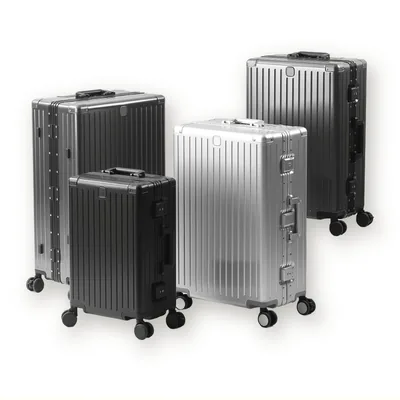
VoyagiQ is B2B only. We import luggage and travel accessories factory-direct for European businesses, issue an EU invoice and act as importer for the goods we supply. Our catalogue covers 440+ items, from suitcases and duffels to packing organisers, locks, luggage tags, passport wallets, sleep kits and travel tech. You can start with the VoyagiQ wholesale catalogue or send us a list for sourcing.
1. September–November: build next summer's range
For retail chains, luggage brands and serious online sellers, September to November is the main range-building window for the following summer. This is when you decide which categories deserve shelf space, which items need your packaging and which products should be tested before a larger order.
Start with the role of each product. Suitcases and travel backpacks are planned as destination products. Packing cubes, luggage tags, locks, bottles, sleep masks and neck pillows are margin builders and basket add-ons. Travel adapters, power banks and digital luggage scales require more document checks, so do not leave them until the last moment.
A practical range plan should include:
- core items that repeat every season, such as locks, tags, organisers and toiletry bags;
- visual products for store displays, such as covers, straps and colourful luggage sets;
- giftable accessories for Q4 and early spring promotions;
- travel comfort products for airport, rail and coach retail;
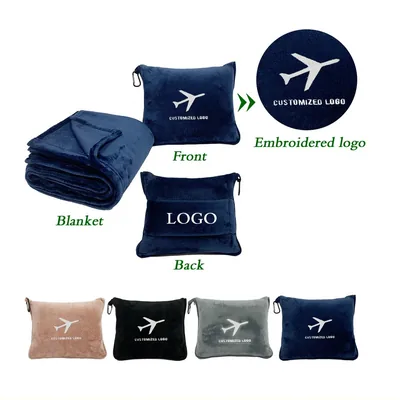
- private-label lines where your logo, EAN and multilingual labels are needed.
If you are unsure what fits your channel, use our buyer pages for travel accessory shops, online sellers, brands, promo agencies and hotels as a starting point.
2. November–January: place private-label orders for summer
The safest answer to “when to order travel accessories” for private label is: before the season feels close. For sea or rail movements, private-label summer goods should normally be ordered in November–January. That gives time for artwork, sampling, production, inspection, transport to Poland and onward delivery.
Private label adds decisions that standard stock does not have. You may need logo placement, colour matching, retail packaging, EAN codes, inner cartons, instruction inserts and country-language warnings. For travel wallets, tags, pouches and covers, material choice also matters because PVC, PU, leather, textiles and rubber parts have different compliance checks.
For private label, allow for this sequence:
- written offer in 2 working days after we receive the product list and branding brief;
- sample or pre-production sample in about 7–14;
- private-label production with a typical minimum of 300 pieces per model;
- production time of around 25–45;
- rail or sea transit to Poland of around 25–45;
- customs, VAT handling in Poland and delivery across the EU, UK, Switzerland or Norway.
The normal order-to-warehouse lead time is about 8–12. Air freight can be used for urgent light goods and samples, with a typical timing of 7–12, but it changes the margin and is not suitable for every product.
3. January–February: confirm chain allocations and documents
January and February are the confirmation months. Retail chains and department stores often finalise summer allocations here. Brands confirm packaging. Marketplaces prepare listings. Distributors check carton data and pallet plans. If a product must land in March or April, the decision should not still be open in late February.
This is also the time to check EU-facing data. Under the General Product Safety Regulation, consumer products need an EU economic operator, contact details on the product or packaging where required, type or batch identification, warnings in the language of the country of sale and matching information in online listings. VoyagiQ acts as importer for the products we supply, but product data still needs to be prepared correctly for your sales channel.
Some categories need extra attention. Power banks require CE-related documentation, battery transport papers and country EPR planning. Travel adapters with USB chargers require electrical compliance checks and WEEE obligations. Earplugs sold with a hearing-protection claim may fall under PPE rules. TSA wording and marks are used only where the factory holds the relevant licence and we confirm this per order.
Our quality and compliance page explains how we approach product documents, lab reports where material risks require them, inspections and batch information.
4. March–April: land summer stock and prepare the shelf
March and April are landing months for planned summer ranges. This is when goods should arrive at the warehouse, not when the order should be discussed for the first time. Your team still needs time to receive, count, label, photograph, list, distribute and merchandise the products.
For shops, build displays around complete travel missions: cabin bag plus lock, tag, packing cubes, toiletry bag and travel bottle set. For online sellers, bundle small accessories carefully. A travel pillow with sleep mask and earplugs is easy to understand. A random set of low-value items is harder to explain and often creates returns if the listing is unclear.
Hotels, resorts, cruise operators and tour operators often buy in this window too. Their needs are different. They may need amenity kits, guest travel kits, umbrellas, ponchos, luggage tags or branded document wallets for departures. The calendar is still tight, but standard or lightly branded items can work if decisions are made early.
5. February–June: manage reorders for independent shops and online sellers
Independent shops and marketplace sellers usually reorder more often than chains. Their summer stock planning is based on live sales, cash flow and storage space. February to June is the reorder window for proven lines, especially accessories that are compact, easy to ship and not heavily seasonal in design.
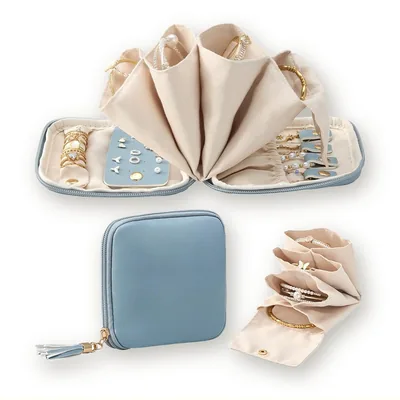
Good reorder candidates include packing cubes, toiletry bags, luggage locks, tags, passport covers, travel bottles, sleep masks, inflatable pillows, cable organisers and garment bags. They take less space than hard luggage and can be replenished more flexibly.
For reorders, track the following weekly:
- sell-through by SKU, not only by category;
- margin after freight, returns and marketplace fees;
- carton size and storage cost;
- review issues connected to size, colour, labelling or packaging;
- delivery promises on marketplaces and in webshops.
If you need breadth without creating a full private-label project, start with catalogue items and add branding later to the winners.
6. August–October and March–June: plan promo and corporate gifts
Promo buyers work to different peaks. Christmas corporate gifts are usually ordered in August–October. Spring events, trade fairs and incentive trips are commonly prepared from March to June. Travel accessories are useful here because they are light, brandable and easy to connect with mobility, holidays, conferences and employee travel.
Popular promo choices include passport wallets, luggage tags, packing organisers, travel adapters, cable cases, sleep kits, neck pillows, umbrellas and toiletry bags. For stronger perceived value, combine items into a kit: for example, a passport wallet, tag and pen for a tour operator, or a sleep mask, earplugs and pouch for a coach company.
Promo projects need artwork control. Confirm logo size, print method, packaging, carton marking and delivery address early. If the item is for several countries, prepare multilingual labels and warnings before production starts.
7. Match your channel to the right calendar
There is no single order date for every buyer. A luggage chain planning a wall of suitcases has a different rhythm from a hotel ordering guest kits or an online seller testing packing cubes. Use the table as a working guide.
| Buyer type | Main decision window | Summer stock should land | Typical focus |
|---|---|---|---|
| Retail chains and department stores | September–February | March–April | range planning, allocations, packaging, EANs |
| Independent travel and luggage shops | January–June | March–June | core stock, add-ons, fast reorders |
| Online sellers | October–June | before campaigns start | listing content, cartons, reviews, replenishment |
| Brands and OEM/ODM buyers | September–January | March–April | private label, packaging, documents |
| Promo agencies | August–October and March–June | event date minus fulfilment time | branding, kits, carton marking |
| Hotels and tour operators | February–April | before guest or departure peak | amenity kits, guest items, practical accessories |
What to send when you ask for a quote
A clear brief shortens the quoting process and prevents later changes. Send the product type, quantity, target market, branding needs, packaging preference, deadline and delivery country. If you have a target retail price or marketplace fee structure, share it. We can then compare catalogue items, private-label options and custom sourcing routes.
For luggage and travel accessories, include dimensions, materials, colours and any claim you want to make. Claims such as RFID-blocking, hearing protection, TSA compatibility, battery capacity or recycled content need supplier evidence and careful wording. We do not add claims just because they help sales copy.
You can browse categories such as packing cubes and organisers or travel tech, then send us the selected items with quantities. For products not in the catalogue, we source from partner factories and quote the complete route: product, branding, documents, freight, customs and delivery.
The practical rule
If the product must be on sale in May, plan it in autumn. If it needs your logo, own packaging or a compliance-sensitive claim, treat November–January as the serious order window. If it is a proven small accessory with standard packaging, February–June can work for reorders.
Summer demand looks simple from the shop floor: travellers need useful items. Behind the shelf, the profitable buyers are the ones who place orders before freight, documents and artwork become urgent. That is the core of good summer stock planning.